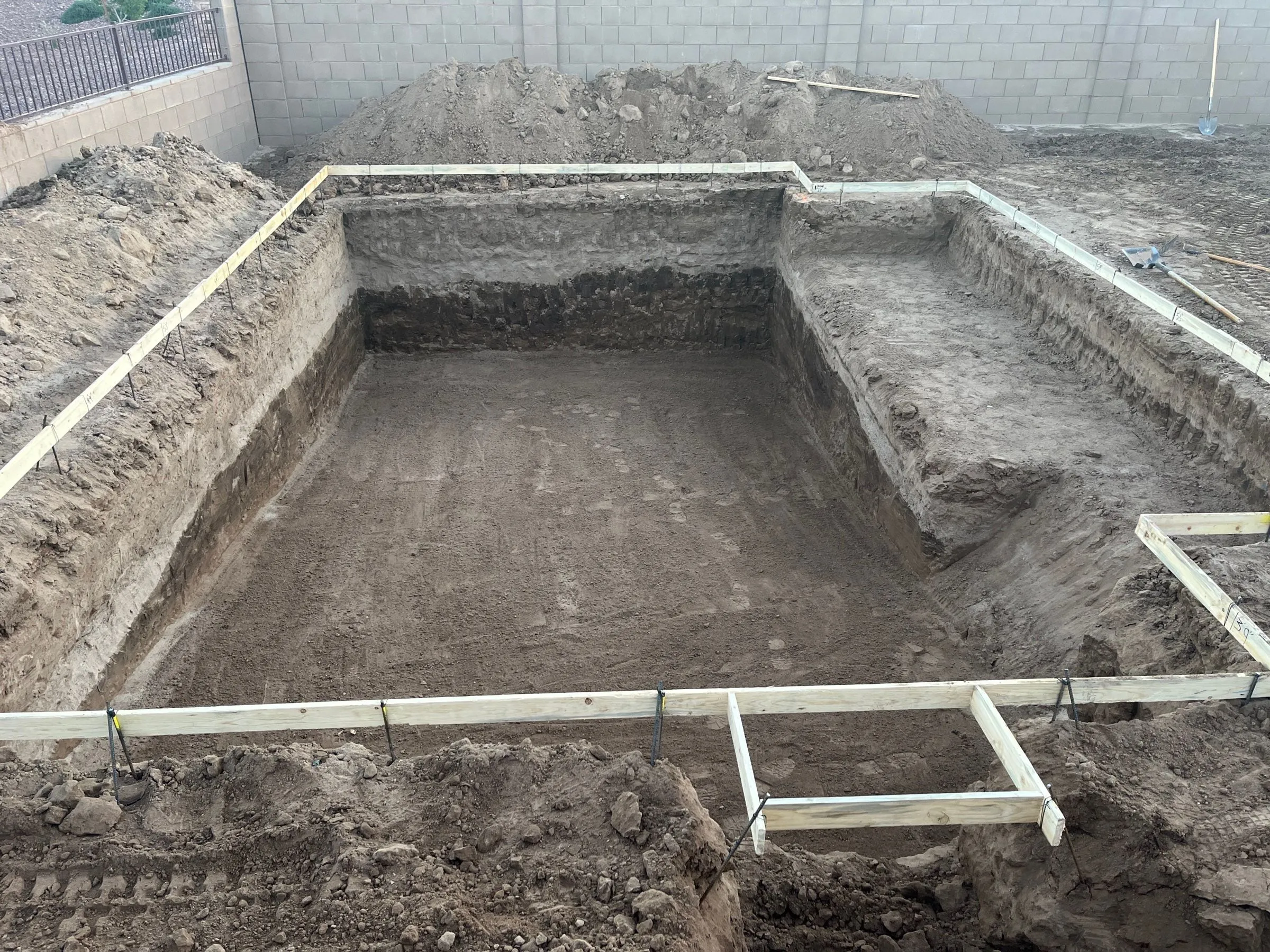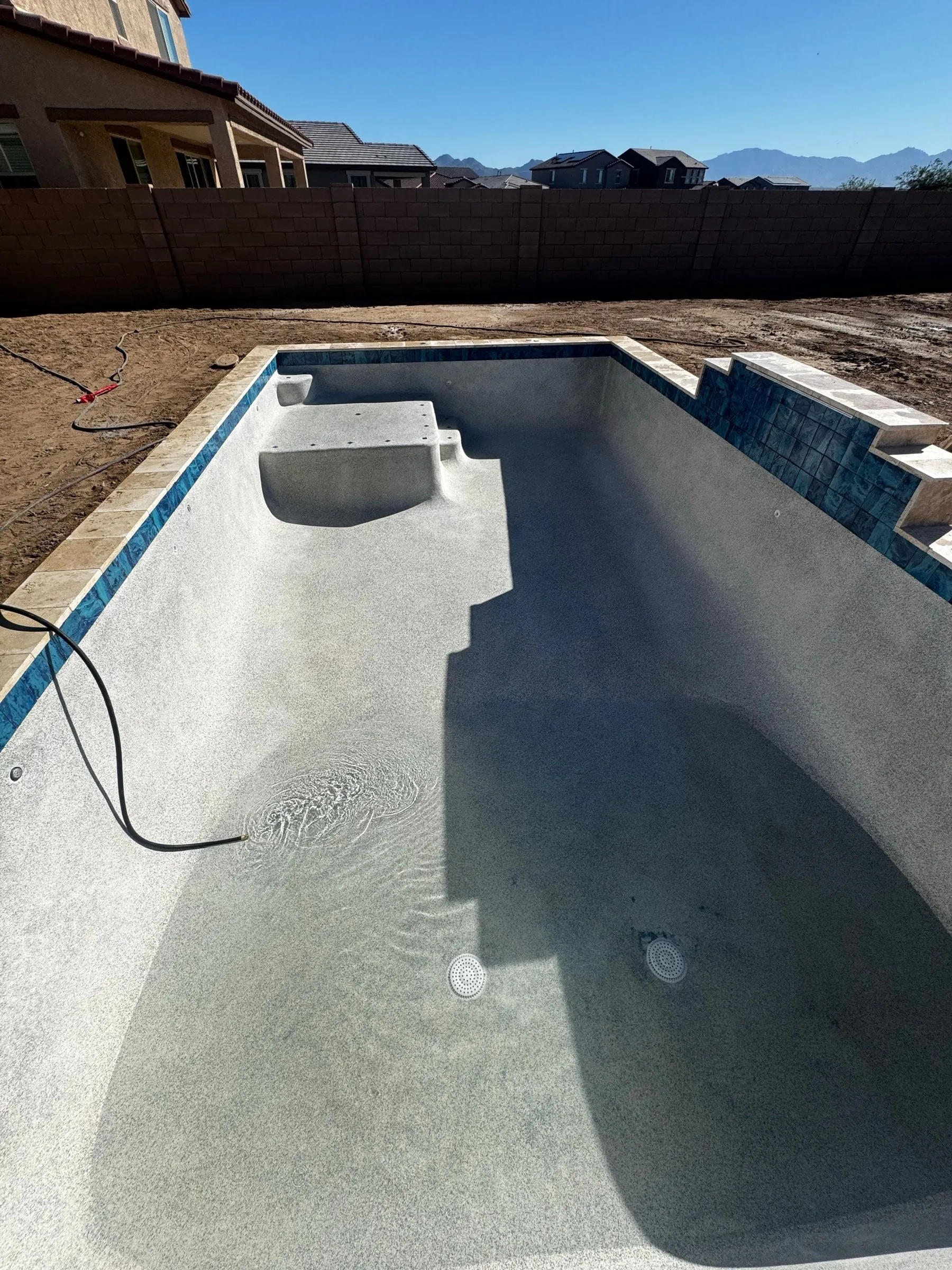
A kid-friendly pool in Tucson starts with a barrier at least 5 feet tall and a self-closing, self-latching gate, then adds a large shallow area, wide steps, a tanning ledge for play, safe drain covers and a clear view of the water from the house. Light, cool decking keeps little feet from burning in our summer sun. None of it replaces an adult watching the water, but good design makes that job easier.
We design pools for a lot of young families in Marana, Vail, Rita Ranch and Sahuarita. Here is what we plan into a pool when kids will be using it.
Why does pool design matter so much for families with young kids?
In Arizona, drowning is a real risk for small children. The state’s Child Fatality Review Program found that all 36 child drownings it reviewed for 2024 were preventable, and most happened in pools. We covered that report in our news post on Arizona child drowning findings and pool barriers.
The report’s lesson is that safety works in layers. A barrier keeps kids out when no one is watching. Supervision, swim lessons and CPR cover the time when they are in the water. Design supports both: it should be hard for a child to reach the water alone, and easy for an adult to see everyone who is in it.
What pool barrier do you need with young kids?
The barrier is the most important safety feature in your yard. We build every pool barrier to at least 5 feet tall. Arizona’s state pool law sets 5 feet, measured on the outside, and local codes in the Tucson area do not lower it.
Key points for families:
- Gates must be self-closing and self-latching. They should swing outward, away from the pool, so a child pushing on the gate closes it instead of opening it.
- Latches go high. The release sits at least 54 inches up, or on the pool side near the top, where small hands cannot reach.
- No climbing aids. Planters, chairs, the pool equipment and even grade that is higher on the outside can turn a fence into a ladder.
- Doors from the house count. If your house wall is part of the barrier, doors and windows that open to the pool need protection such as self-latching doors with high latches or listed door alarms. A pet door into the pool area is a gap in the barrier.
Our full guide to pool fence and barrier rules in Tucson and Pima County explains each local code. We also build block walls and pool barrier fences as part of the project, so the barrier is designed with the pool, not added later.
Test your gate often. Open it a few inches and let go. It should close and latch every time.
How should you lay out the shallow areas?
Families with toddlers usually get more use from a big, even shallow area than from a deep end. Kids can stand, play and learn to swim, and parents can stand beside them.
A few design choices help:
- A large shallow zone. Put most of the pool’s area at a depth where your kids, or at least you, can stand comfortably.
- A gentle transition. If you want a deeper section, plan a gradual slope and a clear visual break, such as a contrasting tile band, so kids can see where the floor starts to drop.
- Depth markers you can read. Tile depth markers on the coping or waterline help older kids learn where they can stand.
For more on choosing depths, see our guide to how deep a pool should be.
Why do wide steps and benches matter?
Steps are where little kids spend a lot of their time. Wide, shallow steps act as a seat, a play area and an easy way in and out.
- Wide steps give room for several kids and an adult at once.
- Even step heights are easier for small legs.
- A handrail or grab rail helps toddlers and grandparents alike.
- A bench along the wall gives tired swimmers a place to rest without climbing out.
- Contrasting tile or markers on step edges make each step easy to see from above and below the water.
Our 3D design with a VR walkthrough lets you see the steps from the deck before anything is dug, so you can judge whether they feel wide enough for your family.
Is a tanning ledge good for kids?
A tanning ledge, also called a Baja shelf, is a large shelf with only a few inches of water. For toddlers, it is one of the best features you can add. They can sit, splash and play with toys while an adult sits right next to them.
Plan it with safety in mind:
- Place it where you can see it from the kitchen, family room or covered patio.
- Keep the edge clear. The ledge drops to deeper water, so kids need an adult beside them, not across the yard.
- Skip slippery finishes. A pebble finish like StoneScapes Mini Pebble gives a bit of texture underfoot.
- Bubblers are fun but optional. They add play value, and you can turn them off when you want calm water.
Our post on tanning ledges, Baja shelves and pool steps covers sizes and layout options in more detail.
What are anti-entrapment drains?
Pool drains pull water to the pump. A drain with the wrong cover, or a single drain on strong suction, can trap a child’s body or hair underwater. This is called suction entrapment.
Federal law addresses it. According to the U.S. Consumer Product Safety Commission, the Virginia Graeme Baker Pool and Spa Safety Act, enacted in 2007, requires pool and spa drain covers to meet an anti-entrapment performance standard. The CPSC’s added rules for secondary safety systems are written for public pools and spas, but local pool codes also cover suction outlet safety for homes, and the inspector checks it.
What this means for you as a homeowner:
- Use only compliant drain covers. The CPSC has issued warnings in 2026 telling consumers to stop using certain drain covers that violate the standard. If you replace a cover, buy one rated for your drain and installed per the manufacturer.
- Replace broken or missing covers right away. Close the pool until it is fixed.
- Teach kids to stay away from drains and suction fittings.
- Long hair goes up in a ponytail or cap for young swimmers.
On our builds, the drain layout and covers are part of the plan that goes through permit and inspection.
How do you plan sight lines from the house?
The best supervision happens when you can see the whole pool without effort. Before we place the pool, we look at where you spend time inside.
- Line up the shallow end and tanning ledge with your main windows, often the kitchen or family room.
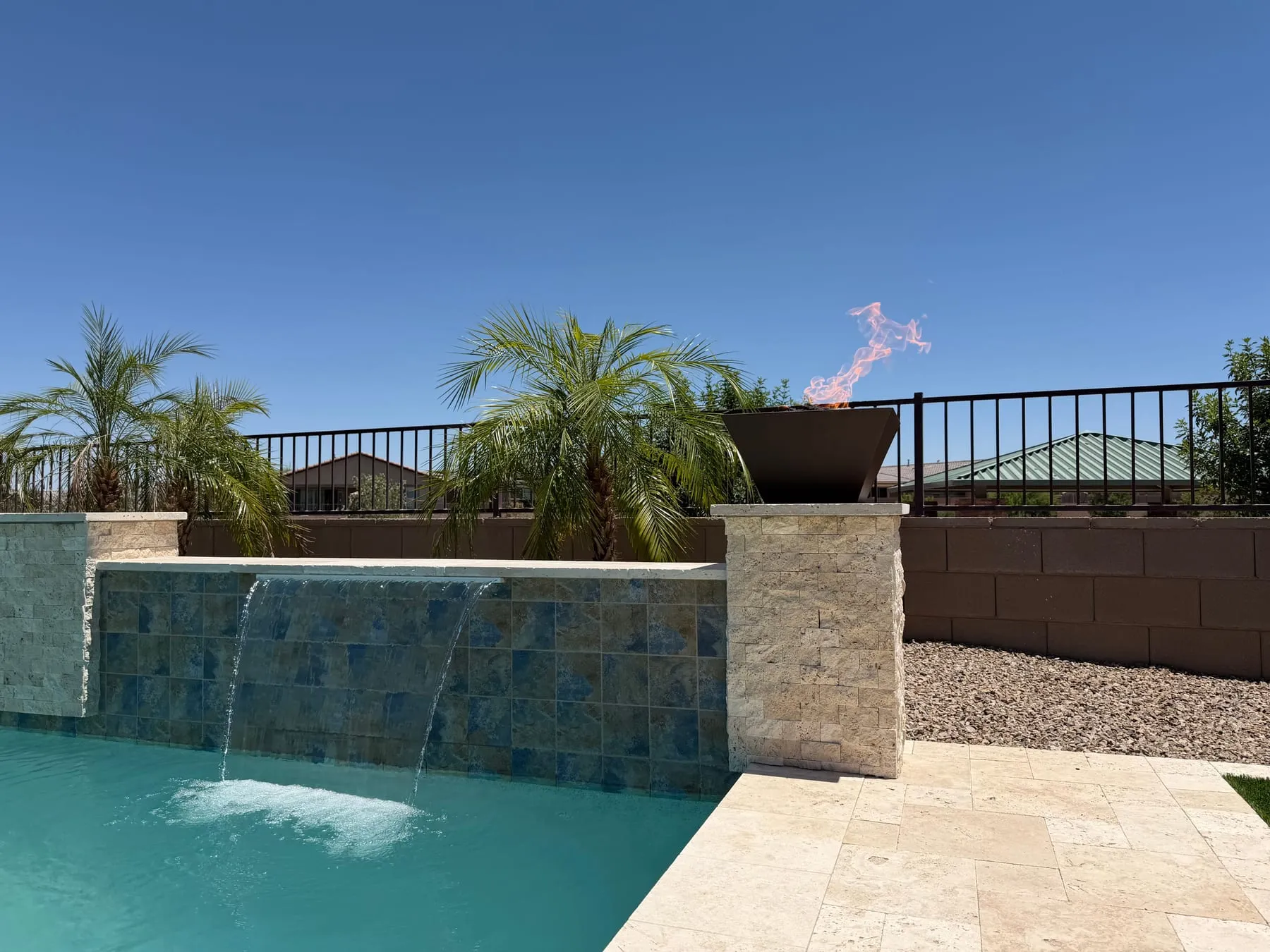
- Avoid blind spots. Raised walls, spas, water features and big planters can hide part of the pool from certain angles. Our 3D design shows the view from your back door, so we can move features that block it.
- Keep the covered patio facing the water. Adults sitting in the shade should see every swimmer.
- Plan lighting for evening swims. Good pool lighting lets you see the floor and steps after dark.
A raised spa or sheer descent wall can still work in a family yard. We just place it so it does not block the view of the play areas.
Which deck materials are best for bare feet in Tucson heat?
Kids run barefoot. On a July afternoon in Tucson, a dark deck can get hot enough to hurt. Material and color make a big difference.
| Deck option | Feel in summer sun | Notes for families |
|---|---|---|
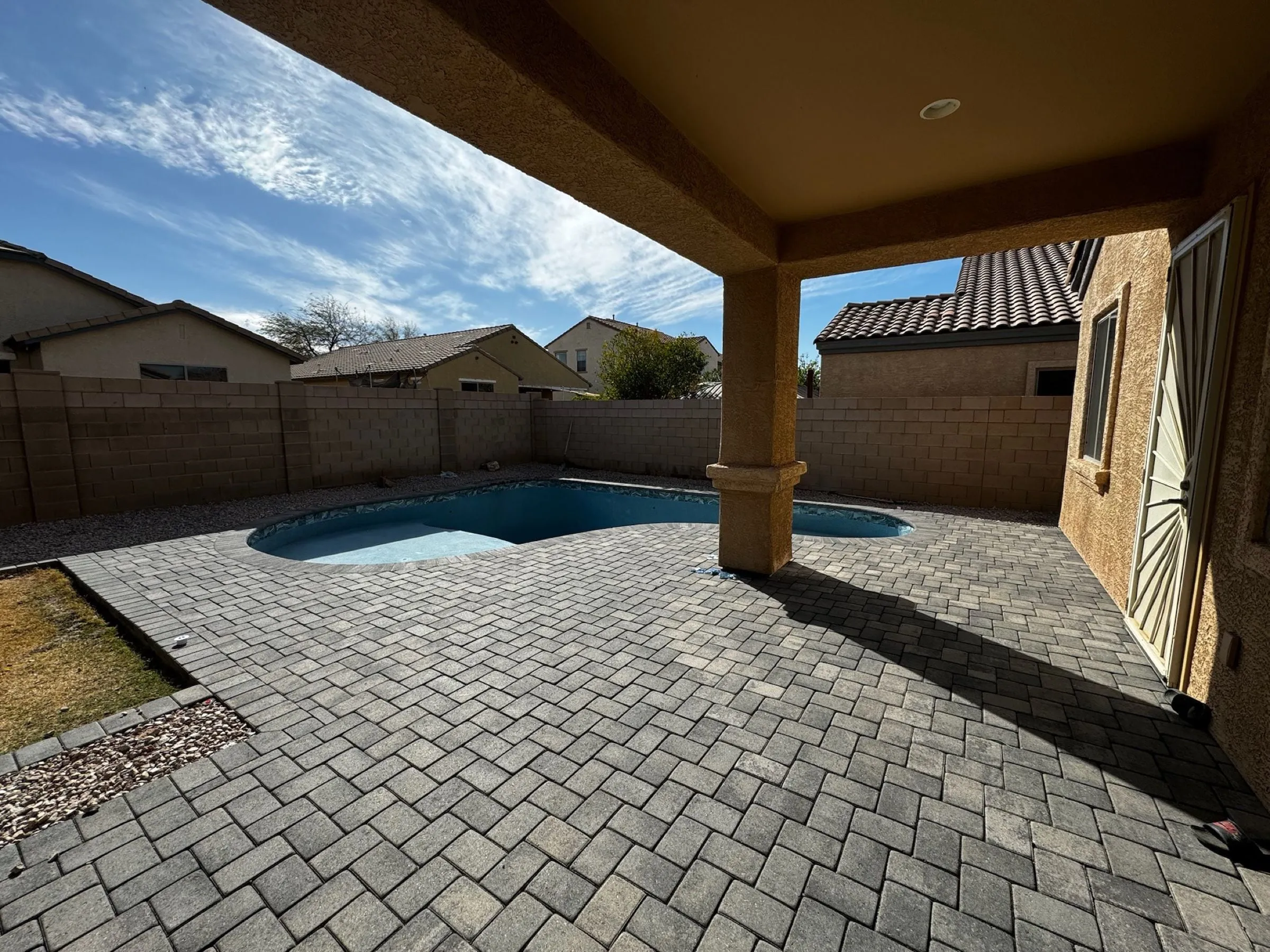
| Light travertine | Stays cooler than most options | Natural texture, popular around Tucson pools |
| Light-colored pavers | Cooler than dark pavers | Many textures and colors, easy to repair |
| Dark stone or dark pavers | Gets hot | Better kept to shaded areas |
| Artificial turf | Can get hot in full sun | Place in shade or plan for it, and keep it back from the water’s edge |
Shade helps every option. A covered patio near the pool gives kids a cool place to rest. We build custom pergolas, ramadas and shade structures and can install a shade you buy elsewhere on in-ground footings, so we plan the deck, pool and shade together.
Texture matters too. Choose a surface with some grip, especially around the steps and ledge, so wet feet do not slip. See our pool deck options for materials and colors.
What other features make a pool more family friendly?
- A pool cover. Tucson, Pima County and Oro Valley now require an evaporation cover before final inspection. An evaporation cover is not a safety cover, so do not count on it to keep kids out.
- A spa with a separate cover. Hot water and small kids need close watching. Keep the spa covered when it is not in use.
- A place for toys. A deck box keeps toys out of the water when the pool is closed, so kids are not tempted to reach for them.
- Automation you can lock. Pool automation lets you turn off bubblers or water features from your phone.
What should parents ask a pool builder?
- Where will the barrier, gates and gate swings go?
- Can I see the pool from my kitchen and back door in the 3D design?
- How wide are the steps, and where are the handrails?
- How big is the shallow area, and how is the depth change marked?
- What drain layout and covers will you use?
- How hot will this deck color get in July?
Plan a pool your kids can grow up in
A family pool should be safe for toddlers today and still fun when they are teenagers. We design every project in 3D so you can walk through the barrier, steps, ledge and sight lines before we dig. Browse our pool designs for ideas, and see what goes into a custom pool build in Tucson.
Meraki Pools AZ is family owned and licensed under AZ ROC #342505 and #352797. Call (520) 342-8335 or request a free estimate.
Put this guide to work
Planning your own project? See our Block Walls & Pool Barrier Walls in Tucson and Pool Decks: Travertine & Pavers in Tucson, or read about building a pool in Marana, Oro Valley or Vail.
Frequently asked questions
What is the safest pool design for toddlers?
Start with a barrier at least 5 feet tall and a self-closing, self-latching gate that swings away from the pool. Inside the barrier, a large shallow area, wide steps with handholds, a tanning ledge for play, anti-entrapment drain covers and a clear view from the house all help. No design replaces an adult watching the water.
How tall does a pool fence need to be in Arizona?
Arizona's pool barrier law calls for at least 5 feet, measured on the outside. Every barrier we build is at least 5 feet tall. Local codes in Tucson, Pima County, Marana, Oro Valley and Sahuarita add details on gates, gaps and house walls.
How deep should a pool be for young kids?
Most families with small children want a large, even shallow area rather than a deep end. A tanning ledge gives toddlers a few inches of water to splash in with an adult beside them, and the main shallow area lets older kids stand. We set exact depths in your 3D design so you can see them before we dig.
Is a tanning ledge safe for toddlers?
A tanning ledge is one of the most kid-friendly features you can add, because it gives little ones very shallow water to sit and play in. It still needs an adult right there, since the ledge drops off into deeper water. Many families place it where it is easy to see from the house.
What pool deck material stays coolest for bare feet in Tucson?
Light-colored travertine and light pavers stay noticeably cooler than dark stone or concrete in full sun. Shade from a covered patio or umbrellas helps too. Dark colors absorb more heat, so we steer families with kids toward light finishes near the water.